
La Clave de Barrio

The Tres-Dos of Columbia — Foundation, Dialogue & Evolution

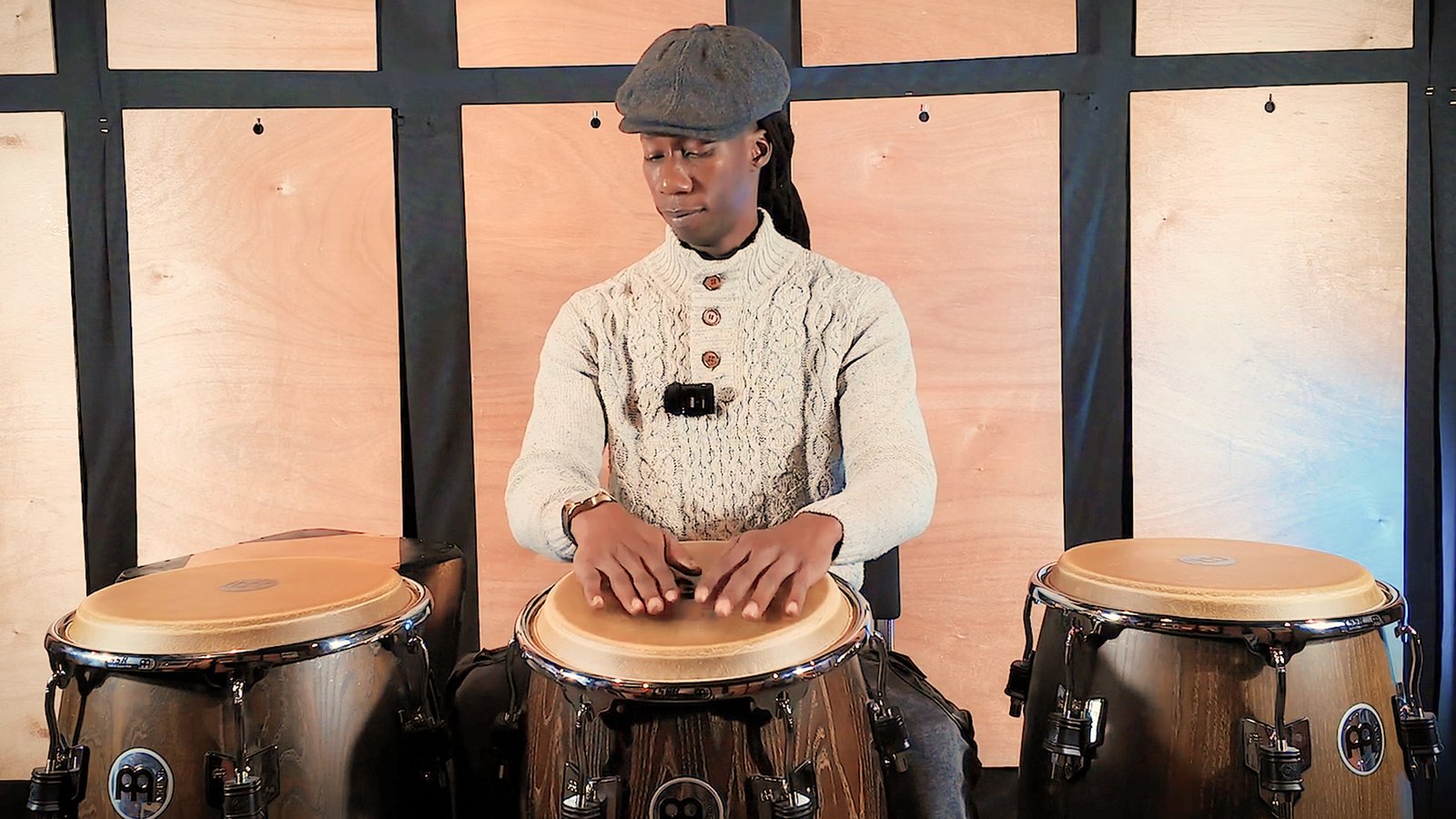
The tres-dos is the voice that supports and shapes Columbia from its foundation. In this course, Machito traces its development from the traditional base — open tones, pulse, and mazacote — to a more evolved Columbia language built through expanded phrasing, hand changes, dialogue with the tumbador, and transitions toward montuno. Along the way, traditional patterns, variations, groove development, and the relationship between stability and evolution are explored within the six-eight framework.

The Tres-Dos of Columbia — Foundation, Dialogue & Evolution

What does the course cover?

  • Construction of the traditional tres-dos: dominant pulse, precise open tones, and the mazacote that defines the internal character of the pattern.
  • The dialogue with the tumbador: when to open the base, when to wait, and how to maintain the groove.
  • The role of six-eight as the foundation of Columbia and the framework for its evolution.
  • Moving from a continuous groove to a more articulated style: phrasing, hand changes, and rhythmic displacement.
  • Variations with pressed tones that evolve into functional bases within the cycle.
  • Practice tools for expanding the compás, controlling fast tempos, and avoiding rhythmic drag.

Main ideas of the course

  1. The base is not rigid: it is a starting point that breathes and expands through dialogue.
  2. The six-eight feel is non-negotiable: all rhythmic freedom exists within that framework.
  3. Responding is not copying: the tres-dos answers in its own language, not in the language of the tumbador.
  4. A variation is only effective if you can return cleanly to the bass.
  5. The groove must be defended: changing codes without intention can break the flow of Columbia.

In this course, you will explore how to:

  • Establish a clear tres-dos base that remains solid at faster tempos, while singing, and through changes in energy.
  • Open the base to create space in response to the tumbador and return precisely to the base.
  • Move between a continuous pattern and a more articulated approach without losing the six-eight feel.
  • Transform simple variations into new bases within the cycle.
  • Use four- and eight-beat cycles to organize phrases as the Columbia accelerates.
  • Maintain the strong beat when changing hands and reorganizing phrases.
  • Build a musical language based on clarity, intention, and groove stability.

Key terms listed in the order they appear in the episodes.

  • Tres-Dos: Drum that responds in Columbia and dialogues with the tumbador within six-eight..
  • Open Tone (Abierto): Resonant stroke that defines and anchors the base of the tres-dos.
  • Mazacote: Internal layer of supporting strokes that sustains the groove without standing out.
  • Ghost Notes (Fantasmas): Subtle strokes used to add internal texture to the pattern.
  • Strong Beat (Tiempo Fuerte): The main pulse supporting the base; it may shift from one hand to the other depending on the pattern.
  • Bass (Bajo): Structural point where the tres-dos returns to the base after a variation.
  • Opening the Base (Apertura): Expansion of the pattern in response to the tumbador’s call.
  • Call (Llamado): hythmic signal from the tumbador that invites a response from the tres-dos.
  • Six-Eight: Rhythmic framework that organizes Columbia and defines the phrasing of the tres-dos.
  • Pressed Tone (Presionado): Sustained stroke between tapado and abierto, often used in variations.
  • Displacement (Desplazamiento): Moving a phrase or combination to another position within the cycle.
  • Eight-Beat Compás: Expanded counting framework used to create additional rhythmic space.
  • Montuno: High-energy section where the dialogue between tumbador and tres-dos becomes more active.

Starter:

1 course pass

€

9

/month

+ tax as applicable

Pro:

3 course passes

€

19

/month

+ tax as applicable

Master:

9 course passes

€

49

/month

+ tax as applicable

Elite:

Full acces to all courses

€

299

/year

+ tax as applicable

Course details
Duration 70 min
Episodes 5
Level Intermediate

Explore more courses

The Tres-Dos of Columbia — Foundation, Dialogue & Evolution
70 min
5 eps.
Intermediate

The Tres-Dos of Columbia — Foundation, Dialogue & Evolution

The tres-dos is the voice that supports and shapes Columbia from its foundation. In this course, Machito traces its development from the traditional base — open tones, pulse, and mazacote — to a more evolved Columbia language built through expanded phrasing, hand changes, dialogue with the tumbador, and transitions toward montuno. Along the way, traditional patterns, variations, groove development, and the relationship between stability and evolution are explored within the six-eight framework.

What does the course cover?

  • Construction of the traditional tres-dos: dominant pulse, precise open tones, and the mazacote that defines the internal character of the pattern.
  • The dialogue with the tumbador: when to open the base, when to wait, and how to maintain the groove.
  • The role of six-eight as the foundation of Columbia and the framework for its evolution.
  • Moving from a continuous groove to a more articulated style: phrasing, hand changes, and rhythmic displacement.
  • Variations with pressed tones that evolve into functional bases within the cycle.
  • Practice tools for expanding the compás, controlling fast tempos, and avoiding rhythmic drag.

Main ideas of the course

  1. The base is not rigid: it is a starting point that breathes and expands through dialogue.
  2. The six-eight feel is non-negotiable: all rhythmic freedom exists within that framework.
  3. Responding is not copying: the tres-dos answers in its own language, not in the language of the tumbador.
  4. A variation is only effective if you can return cleanly to the bass.
  5. The groove must be defended: changing codes without intention can break the flow of Columbia.

In this course, you will explore how to:

  • Establish a clear tres-dos base that remains solid at faster tempos, while singing, and through changes in energy.
  • Open the base to create space in response to the tumbador and return precisely to the base.
  • Move between a continuous pattern and a more articulated approach without losing the six-eight feel.
  • Transform simple variations into new bases within the cycle.
  • Use four- and eight-beat cycles to organize phrases as the Columbia accelerates.
  • Maintain the strong beat when changing hands and reorganizing phrases.
  • Build a musical language based on clarity, intention, and groove stability.

Key terms listed in the order they appear in the episodes.

  • Tres-Dos: Drum that responds in Columbia and dialogues with the tumbador within six-eight..
  • Open Tone (Abierto): Resonant stroke that defines and anchors the base of the tres-dos.
  • Mazacote: Internal layer of supporting strokes that sustains the groove without standing out.
  • Ghost Notes (Fantasmas): Subtle strokes used to add internal texture to the pattern.
  • Strong Beat (Tiempo Fuerte): The main pulse supporting the base; it may shift from one hand to the other depending on the pattern.
  • Bass (Bajo): Structural point where the tres-dos returns to the base after a variation.
  • Opening the Base (Apertura): Expansion of the pattern in response to the tumbador’s call.
  • Call (Llamado): hythmic signal from the tumbador that invites a response from the tres-dos.
  • Six-Eight: Rhythmic framework that organizes Columbia and defines the phrasing of the tres-dos.
  • Pressed Tone (Presionado): Sustained stroke between tapado and abierto, often used in variations.
  • Displacement (Desplazamiento): Moving a phrase or combination to another position within the cycle.
  • Eight-Beat Compás: Expanded counting framework used to create additional rhythmic space.
  • Montuno: High-energy section where the dialogue between tumbador and tres-dos becomes more active.

Starter:

1 course pass

€

9

/month

+ tax as applicable

Pro:

3 course passes

€

19

/month

+ tax as applicable

Master:

9 course passes

€

49

/month

+ tax as applicable

Elite:

Full acces to all courses

€

299

/year

+ tax as applicable

×

Your current Membership plan is ""

Course passes available: 0

You'll use 1 course pass to access this course.

Unlock with course pass

© 2026 MJ Events. All Rights Reserved.

Disclaimer: Educational content for personal use only. Individual progress may vary depending on personal practice and experience.

Welcome back

Manage Consent
La Clave de Barrio

We use cookies and similar technologies to ensure the proper functioning of our website, remember your preferences, and understand how the Service is used. You can choose which non-essential technologies you allow and change or withdraw your consent at any time.

Essential / Strictly Necessary

These technologies are necessary for the secure and proper functioning of the Service, including authentication, session management, security, payment processing, and video streaming.

Functional / Preferences

These technologies allow the website to remember your preferences and settings, such as language and interface preferences.

Analytics / Performance

These technologies help us understand how the Service is used, monitor performance and technical issues, and improve the reliability and usability of the platform.