
La Clave de Barrio

The Quinto of Guaguancó — Base & Evolution

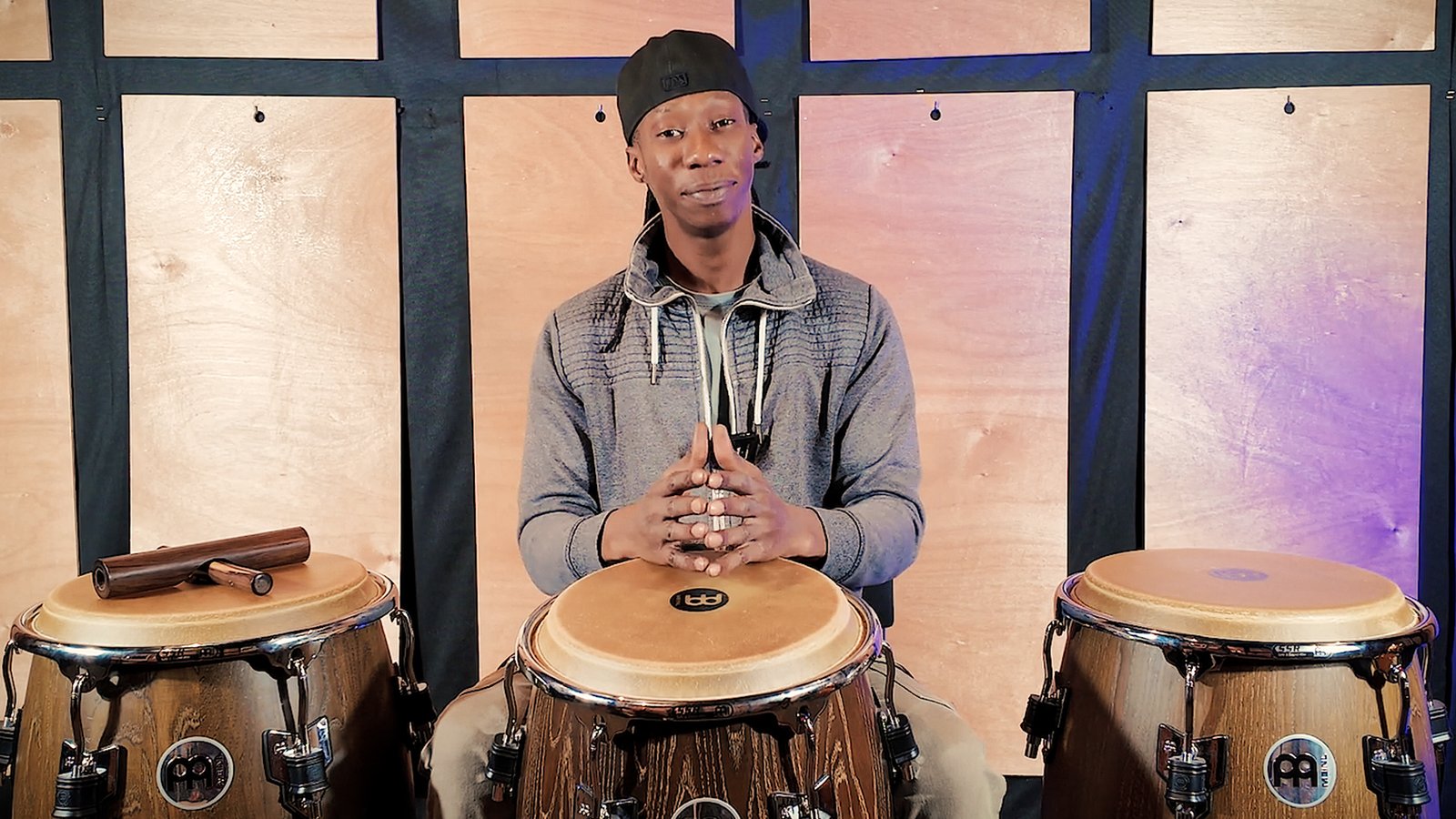
This course explores the quinto of Guaguancó from its traditional roots, presenting it as a musical language with structure and codes. Machito guides the process from the original base toward a conscious evolution, teaching how to create space, remove strokes, and dialogue with the canto while always returning to the cliché. The focus is on clarity, respect for tradition, and storytelling through the quinto.

The Quinto of Guaguancó — Base & Evolution

What does the course cover?

  • The traditional roots of the Guaguancó quinto and its Afro-Cuban influences.
  • The quinto as a musical language, not simply an accumulation of strokes.
  • The use of the 8-beat cycle, base, and cliché as a foundation for improvisation.
  • How removing strokes creates space, phrasing, and musical direction.
  • The relationship between the quinto, the canto, and the codes of rumba.
  • The evolution of the quinto language while remaining rooted in tradition.

Main ideas of the course

  1. The quinto tells a story.
  2. Fewer strokes create more clarity and space.
  3. The base is both the starting point and the place of return.
  4. The quinto floats between canto and groove without overpowering.
  5. Evolution only works when it respects the codes.

In this course, you will explore how to:

  • Understand the traditional concept of the Guaguancó quinto.

  • Build a clear and stable base for improvisation.

  • Use space as a musical resource.

  • Remove and reorganize strokes without losing the cycle.

  • Dialogue with the canto with intention and respect.

  • Integrate traditional and contemporary language with coherence.

Key terms listed in the order they appear in the episodes.

  • Quinto: Solo drum of the rumba that improvises within specific codes.
  • Guaguancó: Style of rumba based on the interaction of canto, chorus (coro), dance, and percussion.
  • Bonkó Enchemiyá: Solo drum of the Abakuá tradition that strongly influenced the development of the quinto.
  • Carabalí / Abakuá: Afro-Cuban tradition of African origin that played a major role in shaping the quinto language.
  • Concept (Concepto): A way of playing that prioritizes meaning, clarity, and tradition over technical display.
  • Syncopation: Rhythmic displacement that gives traditional quinto its characteristic feel.
  • Codes: Unwritten rules that organize musical interaction in rumba.
  • Language: The musical vocabulary through which the quinto communicates within rumba.
  • 8‑Beat Cycle: Rhythmic framework in which the quinto organizes its phrases and variations.
  • Cliché: Foundational pattern that serves as a point of departure and return.
  • Points of Support: Key strokes used to support and organize the rhythmic structure.
  • Cadence: The natural flow and movement of the rhythm.
  • Space: The deliberate use of openness between strokes to create clarity and musical meaning.
  • To Float: To improvise without overpowering the singer, chorus, or accompanying drums.
  • Removing Strokes: Reducing rhythmic density to create greater space and clarity.
  • Variation: A small modification of the base pattern.
  • Storytelling: The idea that the quinto should communicate and develop musical ideas rather than simply accumulate strokes.
  • Canto: The vocal line that guides the quinto’s interaction and phrasing.
  • Phrasing: The way rhythmic ideas are articulated and connected.
  • Return to the Cliché: Returning to the base pattern after a variation or phrase.

Starter:

1 course pass

€

9

/month

+ tax as applicable

Pro:

3 course passes

€

19

/month

+ tax as applicable

Master:

9 course passes

€

49

/month

+ tax as applicable

Elite:

Full acces to all courses

€

299

/year

+ tax as applicable

Course details
Duration 70 min
Episodes 5
Level Intermediate

Explore more courses

The Quinto of Guaguancó — Base & Evolution
70 min
5 eps.
Intermediate

The Quinto of Guaguancó — Base & Evolution

This course explores the quinto of Guaguancó from its traditional roots, presenting it as a musical language with structure and codes. Machito guides the process from the original base toward a conscious evolution, teaching how to create space, remove strokes, and dialogue with the canto while always returning to the cliché. The focus is on clarity, respect for tradition, and storytelling through the quinto.

What does the course cover?

  • The traditional roots of the Guaguancó quinto and its Afro-Cuban influences.
  • The quinto as a musical language, not simply an accumulation of strokes.
  • The use of the 8-beat cycle, base, and cliché as a foundation for improvisation.
  • How removing strokes creates space, phrasing, and musical direction.
  • The relationship between the quinto, the canto, and the codes of rumba.
  • The evolution of the quinto language while remaining rooted in tradition.

Main ideas of the course

  1. The quinto tells a story.
  2. Fewer strokes create more clarity and space.
  3. The base is both the starting point and the place of return.
  4. The quinto floats between canto and groove without overpowering.
  5. Evolution only works when it respects the codes.

In this course, you will explore how to:

  • Understand the traditional concept of the Guaguancó quinto.

  • Build a clear and stable base for improvisation.

  • Use space as a musical resource.

  • Remove and reorganize strokes without losing the cycle.

  • Dialogue with the canto with intention and respect.

  • Integrate traditional and contemporary language with coherence.

Key terms listed in the order they appear in the episodes.

  • Quinto: Solo drum of the rumba that improvises within specific codes.
  • Guaguancó: Style of rumba based on the interaction of canto, chorus (coro), dance, and percussion.
  • Bonkó Enchemiyá: Solo drum of the Abakuá tradition that strongly influenced the development of the quinto.
  • Carabalí / Abakuá: Afro-Cuban tradition of African origin that played a major role in shaping the quinto language.
  • Concept (Concepto): A way of playing that prioritizes meaning, clarity, and tradition over technical display.
  • Syncopation: Rhythmic displacement that gives traditional quinto its characteristic feel.
  • Codes: Unwritten rules that organize musical interaction in rumba.
  • Language: The musical vocabulary through which the quinto communicates within rumba.
  • 8‑Beat Cycle: Rhythmic framework in which the quinto organizes its phrases and variations.
  • Cliché: Foundational pattern that serves as a point of departure and return.
  • Points of Support: Key strokes used to support and organize the rhythmic structure.
  • Cadence: The natural flow and movement of the rhythm.
  • Space: The deliberate use of openness between strokes to create clarity and musical meaning.
  • To Float: To improvise without overpowering the singer, chorus, or accompanying drums.
  • Removing Strokes: Reducing rhythmic density to create greater space and clarity.
  • Variation: A small modification of the base pattern.
  • Storytelling: The idea that the quinto should communicate and develop musical ideas rather than simply accumulate strokes.
  • Canto: The vocal line that guides the quinto’s interaction and phrasing.
  • Phrasing: The way rhythmic ideas are articulated and connected.
  • Return to the Cliché: Returning to the base pattern after a variation or phrase.

Starter:

1 course pass

€

9

/month

+ tax as applicable

Pro:

3 course passes

€

19

/month

+ tax as applicable

Master:

9 course passes

€

49

/month

+ tax as applicable

Elite:

Full acces to all courses

€

299

/year

+ tax as applicable

×

Your current Membership plan is ""

Course passes available: 0

You'll use 1 course pass to access this course.

Unlock with course pass

© 2026 MJ Events. All Rights Reserved.

Disclaimer: Educational content for personal use only. Individual progress may vary depending on personal practice and experience.

Welcome back

Manage Consent
La Clave de Barrio

We use cookies and similar technologies to ensure the proper functioning of our website, remember your preferences, and understand how the Service is used. You can choose which non-essential technologies you allow and change or withdraw your consent at any time.

Essential / Strictly Necessary

These technologies are necessary for the secure and proper functioning of the Service, including authentication, session management, security, payment processing, and video streaming.

Functional / Preferences

These technologies allow the website to remember your preferences and settings, such as language and interface preferences.

Analytics / Performance

These technologies help us understand how the Service is used, monitor performance and technical issues, and improve the reliability and usability of the platform.