
The Quinto of Guaguancó — Base & Evolution
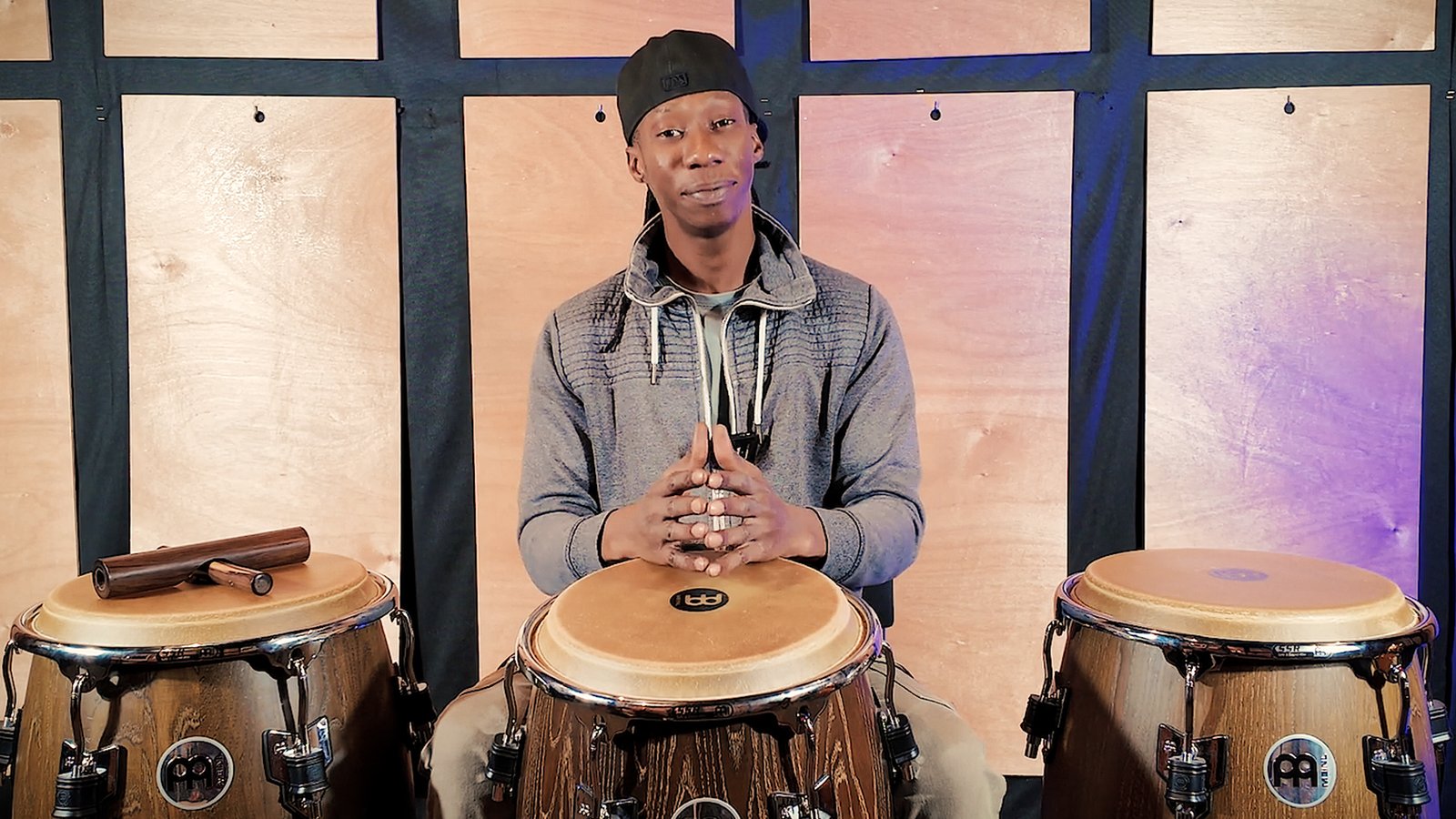
This course explores the quinto of Guaguancó from its traditional roots, presenting it as a musical language with structure and codes. Machito guides the process from the original base toward a conscious evolution, teaching how to create space, remove strokes, and dialogue with the canto while always returning to the cliché. The focus is on clarity, respect for tradition, and storytelling through the quinto.
What does the course cover?
- The traditional roots of the Guaguancó quinto and its Afro-Cuban influences.
- The quinto as a musical language, not simply an accumulation of strokes.
- The use of the 8-beat cycle, base, and cliché as a foundation for improvisation.
- How removing strokes creates space, phrasing, and musical direction.
- The relationship between the quinto, the canto, and the codes of rumba.
- The evolution of the quinto language while remaining rooted in tradition.
Main ideas of the course
- The quinto tells a story.
- Fewer strokes create more clarity and space.
- The base is both the starting point and the place of return.
- The quinto floats between canto and groove without overpowering.
- Evolution only works when it respects the codes.
In this course, you will explore how to:
Understand the traditional concept of the Guaguancó quinto.
Build a clear and stable base for improvisation.
Use space as a musical resource.
Remove and reorganize strokes without losing the cycle.
Dialogue with the canto with intention and respect.
Integrate traditional and contemporary language with coherence.
-
Episode 1: Origin, Concept & Sound14:03 min
Machito traces the origins of the Guaguancó quinto, highlighting its Carabalí influence and connection to canto and dance. He introduces the traditional quinto concept through sound, space, syncopation, and respect for its core musical codes.
-
Episode 2: Base, Cliché & Cycle15:25 min
In this episode, Machito builds a foundational quinto pattern using the 8-beat cycle as its framework. He demonstrates how a clear base and cliché create the structure needed for improvisation, emphasizing confidence, cadence, space, and musical direction rather than excessive playing.
-
Episode 3: From Cliché to Variation17:43 min
Here Machito explores how reducing strokes can open up new possibilities in the quinto. Working from the cliché, he develops variations that create more space, flexibility, and rhythmic language while remaining firmly rooted in the traditional foundation.
-
Episode 4: The Quinto & the Canto16:56 min
The final episode explores the dialogue between quinto and canto: when to enter, when to leave space, and how to float without overpowering. Machito shows how to build phrases around the singer while always returning to the base pattern.
-
Course Extras04:48 min
This bonus video revisits the course's core concepts: roots, codes, cliché, and listening to the canto. A practical reminder to maintain flow, cadence, and the traditional concept of the quinto while exploring its evolution.
Key terms listed in the order they appear in the episodes.
- Quinto: Solo drum of the rumba that improvises within specific codes.
- Guaguancó: Style of rumba based on the interaction of canto, chorus (coro), dance, and percussion.
- Bonkó Enchemiyá: Solo drum of the Abakuá tradition that strongly influenced the development of the quinto.
- Carabalí / Abakuá: Afro-Cuban tradition of African origin that played a major role in shaping the quinto language.
- Concept (Concepto): A way of playing that prioritizes meaning, clarity, and tradition over technical display.
- Syncopation: Rhythmic displacement that gives traditional quinto its characteristic feel.
- Codes: Unwritten rules that organize musical interaction in rumba.
- Language: The musical vocabulary through which the quinto communicates within rumba.
- 8‑Beat Cycle: Rhythmic framework in which the quinto organizes its phrases and variations.
- Cliché: Foundational pattern that serves as a point of departure and return.
- Points of Support: Key strokes used to support and organize the rhythmic structure.
- Cadence: The natural flow and movement of the rhythm.
- Space: The deliberate use of openness between strokes to create clarity and musical meaning.
- To Float: To improvise without overpowering the singer, chorus, or accompanying drums.
- Removing Strokes: Reducing rhythmic density to create greater space and clarity.
- Variation: A small modification of the base pattern.
- Storytelling: The idea that the quinto should communicate and develop musical ideas rather than simply accumulate strokes.
- Canto: The vocal line that guides the quinto’s interaction and phrasing.
- Phrasing: The way rhythmic ideas are articulated and connected.
- Return to the Cliché: Returning to the base pattern after a variation or phrase.
Share
Get with Membership
Starter:
1 course pass
€
9
/month
+ tax as applicable
Pro:
3 course passes
€
19
/month
+ tax as applicable
Master:
9 course passes
€
49
/month
+ tax as applicable
Elite:
Full acces to all courses
€
299
/year
+ tax as applicable
Explore more courses
The Quinto of Guaguancó — Base & Evolution
Description
What does the course cover?
- The traditional roots of the Guaguancó quinto and its Afro-Cuban influences.
- The quinto as a musical language, not simply an accumulation of strokes.
- The use of the 8-beat cycle, base, and cliché as a foundation for improvisation.
- How removing strokes creates space, phrasing, and musical direction.
- The relationship between the quinto, the canto, and the codes of rumba.
- The evolution of the quinto language while remaining rooted in tradition.
Main ideas of the course
- The quinto tells a story.
- Fewer strokes create more clarity and space.
- The base is both the starting point and the place of return.
- The quinto floats between canto and groove without overpowering.
- Evolution only works when it respects the codes.
What will you learn?
In this course, you will explore how to:
Understand the traditional concept of the Guaguancó quinto.
Build a clear and stable base for improvisation.
Use space as a musical resource.
Remove and reorganize strokes without losing the cycle.
Dialogue with the canto with intention and respect.
Integrate traditional and contemporary language with coherence.
Episodes
-
Episode 1: Origin, Concept & Sound14:03 min
Machito traces the origins of the Guaguancó quinto, highlighting its Carabalí influence and connection to canto and dance. He introduces the traditional quinto concept through sound, space, syncopation, and respect for its core musical codes.
-
Episode 2: Base, Cliché & Cycle15:25 min
In this episode, Machito builds a foundational quinto pattern using the 8-beat cycle as its framework. He demonstrates how a clear base and cliché create the structure needed for improvisation, emphasizing confidence, cadence, space, and musical direction rather than excessive playing.
-
Episode 3: From Cliché to Variation17:43 min
Here Machito explores how reducing strokes can open up new possibilities in the quinto. Working from the cliché, he develops variations that create more space, flexibility, and rhythmic language while remaining firmly rooted in the traditional foundation.
-
Episode 4: The Quinto & the Canto16:56 min
The final episode explores the dialogue between quinto and canto: when to enter, when to leave space, and how to float without overpowering. Machito shows how to build phrases around the singer while always returning to the base pattern.
-
Course Extras04:48 min
This bonus video revisits the course's core concepts: roots, codes, cliché, and listening to the canto. A practical reminder to maintain flow, cadence, and the traditional concept of the quinto while exploring its evolution.
Glossary
Key terms listed in the order they appear in the episodes.
- Quinto: Solo drum of the rumba that improvises within specific codes.
- Guaguancó: Style of rumba based on the interaction of canto, chorus (coro), dance, and percussion.
- Bonkó Enchemiyá: Solo drum of the Abakuá tradition that strongly influenced the development of the quinto.
- Carabalí / Abakuá: Afro-Cuban tradition of African origin that played a major role in shaping the quinto language.
- Concept (Concepto): A way of playing that prioritizes meaning, clarity, and tradition over technical display.
- Syncopation: Rhythmic displacement that gives traditional quinto its characteristic feel.
- Codes: Unwritten rules that organize musical interaction in rumba.
- Language: The musical vocabulary through which the quinto communicates within rumba.
- 8‑Beat Cycle: Rhythmic framework in which the quinto organizes its phrases and variations.
- Cliché: Foundational pattern that serves as a point of departure and return.
- Points of Support: Key strokes used to support and organize the rhythmic structure.
- Cadence: The natural flow and movement of the rhythm.
- Space: The deliberate use of openness between strokes to create clarity and musical meaning.
- To Float: To improvise without overpowering the singer, chorus, or accompanying drums.
- Removing Strokes: Reducing rhythmic density to create greater space and clarity.
- Variation: A small modification of the base pattern.
- Storytelling: The idea that the quinto should communicate and develop musical ideas rather than simply accumulate strokes.
- Canto: The vocal line that guides the quinto’s interaction and phrasing.
- Phrasing: The way rhythmic ideas are articulated and connected.
- Return to the Cliché: Returning to the base pattern after a variation or phrase.