
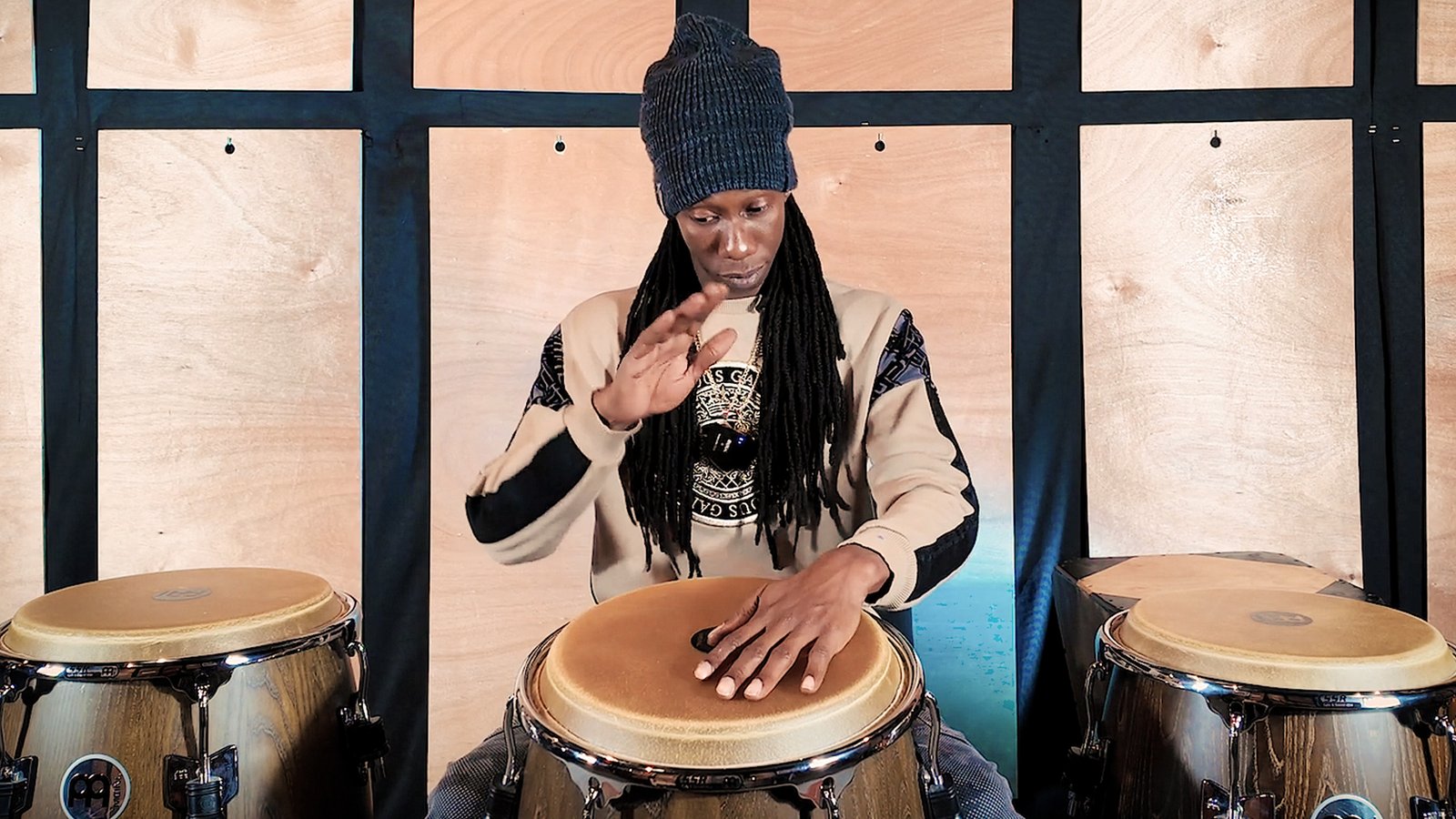
The Tumbador in Evolution — Fourth Base, Variations & Columbia
This course delves into the fourth base of the tumbador as a key element of Cuban rumba. From traditional Guaguancó, Machito guides conscious variations, its relationship with the clave, respect for the singing, the dialogue with the tres‑dos, and the tumbador’s function in Columbia. The focus: maintain the base, vary with meaning, and accompany the ensemble.
What does the course cover?
- The fourth base of the tumbador as a natural evolution of traditional bases.
- Relationship of the fourth base with the first and the second clave.
- Rhythmic codes to stay in time.
- How and when to make variations without interfering with the singing.
- Musical use of pressed tones, muted tones, and fantasmas.
- Function of the tumbador in traditional and modern Columbia.
- Exercises to fix the base, variations, and Columbia.
Main ideas of the course
- The tumbador is the bass of the rumba: it supports before decorating.
- A variation has a beginning and an end; it doesn’t finish until returning to the tone.
- The clave and the singing lead: varying is dialoguing, not competing.
- The left hand is the engine of time and groove.
- To evolve is to add sabor without losing the base.
In this course, you will explore how to:
- Interpret the fourth base of Guaguancó with stability and clear groove.
- Recognize the correct moments to vary without breaking the base.
- Enter and exit a variation always returning to the tone.
- Use the left hand (1 and 3) as the anchor of time.
- Apply presionados and “fantasmas” with control and musicality.
- Accompany the Columbia from the tumbador while respecting its root and energy.
-
Episode 1: Fourth Base of the Tumbador16:06 min
Machito presents the fourth base of the tumbador as part of the evolution of rumba. He reviews previous bases and shows how the fourth base builds from the third, incorporating the muted tone after the three. You will learn its relationship with clave two, where the first two low notes follow the first two hits of the clave.
-
Episode 2: Variation on the Tumbador15:13 min
Here the first variation on the fourth base is practiced. Machito explains why the variation must not interfere with the singing and how to start after the muted tone. He introduces the pressed tone as an expressive resource and emphasizes that the variation does not end until clearly returning to the tone and the base.
-
Episode 3: Variations & Codes13:42 min
This episode explores where a variation begins and ends. You will learn practical codes to enter before the one or after the four, always keeping the groove metric. The question‑and‑answer interaction between tumbador and tres‑dos is reinforced, as well as the importance of listening before playing.
-
Episode 4: Tumbador in Columbia14:54 min
Machito approaches Columbia from its roots in the cajones to its current interpretation. You will learn the traditional tumbador base in Columbia, the accents on the one and the three, and how to add muted tones and small variations without breaking the flow. Connection to six-eight is introduced from a practical perspective.
-
Course Extras02:40 min
In this bonus video, Machito explains the fourth base of Guaguancó on the tumbador, focusing on groove, left-hand timing on the one and the three, and key variations. He also shows how these ideas apply to Columbia.
Key terms listed in the order they appear in the episodes.
Fourth Base: Evolved tumbador pattern that integrates muted tone after the three.
Clave Two: Form of clave where the first two hits align with the tumbador’s low tones.
Code: Rhythmic relationship that keeps the musician in time.
Variation: Rhythmic phrase that must return to the base with the tone.
Pressed Tone (Presionado/Ahogado): Controlled strike that reduces the drumhead resonance.
- Ghost Note (Fantasma): A soft strike that fills the pulse without standing out.
Groove Metric: Internal organization of time while varying.
Question & Answer: Rhythmic dialogue between tumbador and tres-dos.
Columbia: Fast, energetic rumba playing with Bantú roots.
- Six-Eight: Ternary pulse associated with traditional Columbia.
- Cadence: Sense of balance and continuity in the rhythm; on the tumbador achieved with patience and control of time.
Share
Get with Membership
Starter:
1 course pass
€
9
/month
+ tax as applicable
Pro:
3 course passes
€
19
/month
+ tax as applicable
Master:
9 course passes
€
49
/month
+ tax as applicable
Elite:
Full acces to all courses
€
299
/year
+ tax as applicable
Explore more courses
The Tumbador in Evolution — Fourth Base, Variations & Columbia
Description
What does the course cover?
- The fourth base of the tumbador as a natural evolution of traditional bases.
- Relationship of the fourth base with the first and the second clave.
- Rhythmic codes to stay in time.
- How and when to make variations without interfering with the singing.
- Musical use of pressed tones, muted tones, and fantasmas.
- Function of the tumbador in traditional and modern Columbia.
- Exercises to fix the base, variations, and Columbia.
Main ideas of the course
- The tumbador is the bass of the rumba: it supports before decorating.
- A variation has a beginning and an end; it doesn’t finish until returning to the tone.
- The clave and the singing lead: varying is dialoguing, not competing.
- The left hand is the engine of time and groove.
- To evolve is to add sabor without losing the base.
What will you learn?
In this course, you will explore how to:
- Interpret the fourth base of Guaguancó with stability and clear groove.
- Recognize the correct moments to vary without breaking the base.
- Enter and exit a variation always returning to the tone.
- Use the left hand (1 and 3) as the anchor of time.
- Apply presionados and “fantasmas” with control and musicality.
- Accompany the Columbia from the tumbador while respecting its root and energy.
Episodes
-
Episode 1: Fourth Base of the Tumbador16:06 min
Machito presents the fourth base of the tumbador as part of the evolution of rumba. He reviews previous bases and shows how the fourth base builds from the third, incorporating the muted tone after the three. You will learn its relationship with clave two, where the first two low notes follow the first two hits of the clave.
-
Episode 2: Variation on the Tumbador15:13 min
Here the first variation on the fourth base is practiced. Machito explains why the variation must not interfere with the singing and how to start after the muted tone. He introduces the pressed tone as an expressive resource and emphasizes that the variation does not end until clearly returning to the tone and the base.
-
Episode 3: Variations & Codes13:42 min
This episode explores where a variation begins and ends. You will learn practical codes to enter before the one or after the four, always keeping the groove metric. The question‑and‑answer interaction between tumbador and tres‑dos is reinforced, as well as the importance of listening before playing.
-
Episode 4: Tumbador in Columbia14:54 min
Machito approaches Columbia from its roots in the cajones to its current interpretation. You will learn the traditional tumbador base in Columbia, the accents on the one and the three, and how to add muted tones and small variations without breaking the flow. Connection to six-eight is introduced from a practical perspective.
-
Course Extras02:40 min
In this bonus video, Machito explains the fourth base of Guaguancó on the tumbador, focusing on groove, left-hand timing on the one and the three, and key variations. He also shows how these ideas apply to Columbia.
Glossary
Key terms listed in the order they appear in the episodes.
Fourth Base: Evolved tumbador pattern that integrates muted tone after the three.
Clave Two: Form of clave where the first two hits align with the tumbador’s low tones.
Code: Rhythmic relationship that keeps the musician in time.
Variation: Rhythmic phrase that must return to the base with the tone.
Pressed Tone (Presionado/Ahogado): Controlled strike that reduces the drumhead resonance.
- Ghost Note (Fantasma): A soft strike that fills the pulse without standing out.
Groove Metric: Internal organization of time while varying.
Question & Answer: Rhythmic dialogue between tumbador and tres-dos.
Columbia: Fast, energetic rumba playing with Bantú roots.
- Six-Eight: Ternary pulse associated with traditional Columbia.
- Cadence: Sense of balance and continuity in the rhythm; on the tumbador achieved with patience and control of time.