
The Tres-Dos in Yambú — From the Neighborhood to Evolution
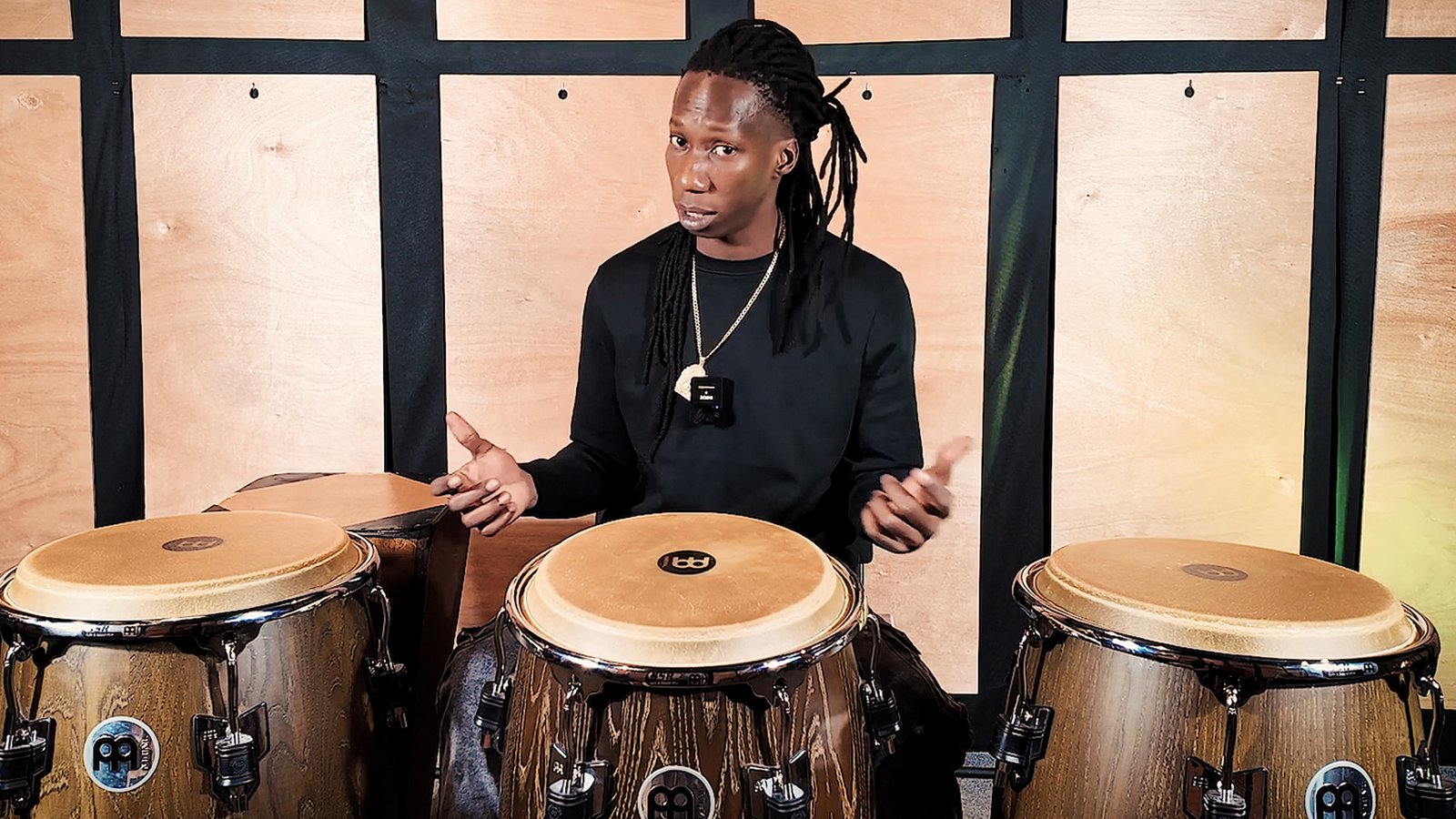
In this course, Machito guides you through the evolution of the tres-dos in Yambú, exploring how it integrates into the traditional cadence, how to balance its strength with that of the tumbador, and how its character differs between Matanzas and Havana. You will learn to play with clarity and intention while respecting the rhythmic space of the genre.
What does the course cover?
- Origin, role, and entry of the tres-dos in Yambú.
- Open tones placement within the mazacote.
- Differences in nuance between playing inward and playing backward.
- Matancero flowflow and its characteristic tres-dos pattern.
- Cajón raspadura as the Havana tres-dos.
- Variations, musicality, and interaction with the tumbador.
Main ideas of the course
- The tres-dos in Yambú is the result of evolution rather than original tradition.
- ambú is driven by cadence and flow, not excessive power.
- A solid base must be established before developing variations.
- Clave and counting define where patterns enter and exit.
In this course, you will explore how to:
- Place the tres-dos within the cadence without overpowering the tumbador.
- ontrol nuance, dynamics, and groove balance.
- Execute the Matancero tres-dos pattern with clarity and syncopation.
- Interpret the tres-dos on cajón raspadura while maintaining a solid base and developing variations.
-
Episode 1: History & Function15:04 min
The tres-dos is presented within its historical context in Yambú, highlighting its origins and current function. With Machito, you will learn where to place the open tones and how to respect the tumbador’s space, maintaining a stable and coherent rhythmic foundation.
-
Episode 2: Nuance & Balance with the Tumbador14:38 min
In this episode, you will explore how the sound of the tres-dos changes when played with hands inward or hands back. You will learn to balance its volume with that of the tumbador and maintain a clean cadence at all times, reinforcing the interaction between the two instruments.
-
Episode 3: Matancero Yambú14:30 min
This episode introduces the Matancero style, where the tres-dos incorporates syncopation and the characteristic "machuca–aplasta" rhythmic cell. You will learn to place each stroke precisely with the clave and counting, creating clear and expressive patterns.
-
Episode 4: Havana Identity & Evolution14:11 min
In the final episode, Machito returns to Havana to explore the cajón raspadura as a tres-dos. You will learn the basic pattern, its variations, and how to return smoothly to the structure without losing the cadence. The episode consolidates the rhythmic identity of Havana and demonstrates the evolution of the tres-dos within the city's style.
-
Course Extras03:32 min
In this bonus video, Machito reviews the different tres–dos Yambú patterns from Havana and Matanzas, highlighting their evolution within the tradition. He reinforces the main grooves and encourages reflection on how the rhythm develops over time.
Key terms listed in the order they appear in the episodes.
- Tres-Dos: Accompanying drum that interacts with the tumbador and quinto.
- Mazacote: Internal cushion of soft strokes that supports the groove.
- Hands Inward (Manos Adentro): Hand position associated with a softer, more cadenced feel.
- Hands Outward (Manos Atrás): Hand position associated with a stronger, more projected feel.
- Syncopation: Rhythmic displacement generating tension and movement.
- Machuca–Aplasta: Characteristic mnemonic phrase used to remember the Matancero tres-dos pattern.
- Cajón Raspadura: Cajón traditionally used as the tres-dos in Havana rumba.
- Variation: Rhythmic idea that that departs from and returns to the base.
- Intencional silence: Deliberate pause used to create space and musicality.
- Base: Foundational pattern from which variations are developed.
- Pattern (Patrón) Matancero: Matanzas-style tres-dos pattern characterized by syncopation and the “machuca–aplasta” phrasing.
- Pattern (Patrón) Habanero: Havana-style interpretation of the tres-dos, especially associated with cajón raspadura.
- Flow Matancero: Characteristic phrasing and feel of the Matanzas style.
- Cadence: low, balance, and rhythmic smoothness characteristic of Yambú.
Share
Get with Membership
Starter:
1 course pass
€
9
/month
+ tax as applicable
Pro:
3 course passes
€
19
/month
+ tax as applicable
Master:
9 course passes
€
49
/month
+ tax as applicable
Elite:
Full acces to all courses
€
299
/year
+ tax as applicable
Explore more courses
The Tres-Dos in Yambú — From the Neighborhood to Evolution
Description
What does the course cover?
- Origin, role, and entry of the tres-dos in Yambú.
- Open tones placement within the mazacote.
- Differences in nuance between playing inward and playing backward.
- Matancero flowflow and its characteristic tres-dos pattern.
- Cajón raspadura as the Havana tres-dos.
- Variations, musicality, and interaction with the tumbador.
Main ideas of the course
- The tres-dos in Yambú is the result of evolution rather than original tradition.
- ambú is driven by cadence and flow, not excessive power.
- A solid base must be established before developing variations.
- Clave and counting define where patterns enter and exit.
What will you learn?
In this course, you will explore how to:
- Place the tres-dos within the cadence without overpowering the tumbador.
- ontrol nuance, dynamics, and groove balance.
- Execute the Matancero tres-dos pattern with clarity and syncopation.
- Interpret the tres-dos on cajón raspadura while maintaining a solid base and developing variations.
Episodes
-
Episode 1: History & Function15:04 min
The tres-dos is presented within its historical context in Yambú, highlighting its origins and current function. With Machito, you will learn where to place the open tones and how to respect the tumbador’s space, maintaining a stable and coherent rhythmic foundation.
-
Episode 2: Nuance & Balance with the Tumbador14:38 min
In this episode, you will explore how the sound of the tres-dos changes when played with hands inward or hands back. You will learn to balance its volume with that of the tumbador and maintain a clean cadence at all times, reinforcing the interaction between the two instruments.
-
Episode 3: Matancero Yambú14:30 min
This episode introduces the Matancero style, where the tres-dos incorporates syncopation and the characteristic "machuca–aplasta" rhythmic cell. You will learn to place each stroke precisely with the clave and counting, creating clear and expressive patterns.
-
Episode 4: Havana Identity & Evolution14:11 min
In the final episode, Machito returns to Havana to explore the cajón raspadura as a tres-dos. You will learn the basic pattern, its variations, and how to return smoothly to the structure without losing the cadence. The episode consolidates the rhythmic identity of Havana and demonstrates the evolution of the tres-dos within the city's style.
-
Course Extras03:32 min
In this bonus video, Machito reviews the different tres–dos Yambú patterns from Havana and Matanzas, highlighting their evolution within the tradition. He reinforces the main grooves and encourages reflection on how the rhythm develops over time.
Glossary
Key terms listed in the order they appear in the episodes.
- Tres-Dos: Accompanying drum that interacts with the tumbador and quinto.
- Mazacote: Internal cushion of soft strokes that supports the groove.
- Hands Inward (Manos Adentro): Hand position associated with a softer, more cadenced feel.
- Hands Outward (Manos Atrás): Hand position associated with a stronger, more projected feel.
- Syncopation: Rhythmic displacement generating tension and movement.
- Machuca–Aplasta: Characteristic mnemonic phrase used to remember the Matancero tres-dos pattern.
- Cajón Raspadura: Cajón traditionally used as the tres-dos in Havana rumba.
- Variation: Rhythmic idea that that departs from and returns to the base.
- Intencional silence: Deliberate pause used to create space and musicality.
- Base: Foundational pattern from which variations are developed.
- Pattern (Patrón) Matancero: Matanzas-style tres-dos pattern characterized by syncopation and the “machuca–aplasta” phrasing.
- Pattern (Patrón) Habanero: Havana-style interpretation of the tres-dos, especially associated with cajón raspadura.
- Flow Matancero: Characteristic phrasing and feel of the Matanzas style.
- Cadence: low, balance, and rhythmic smoothness characteristic of Yambú.